Table Of Content
- 1. Level 1 Charger (The “Emergency” Home Plug) – 2.3 kW
- 2. Level 2 AC Charger (The Daily Driver) – 3.3 kW to 22 kW
- 3. DC Fast Chargers (The Road-Trip Saviour) – 50 kW to 350+ kW
- 4. Tesla Superchargers (Now Open to Everyone)
- 5. Portable & Emergency Chargers
- Quick Comparison Table: Types of Chargers in 2025
- Pro Tips from Someone Who’s Charged Everywhere
- FAQ – Types of Chargers Answered
Types of Electric Vehicle Chargers Explained 2026: The No-Nonsense Guide Every EV Owner Needs
Unsure which charger to look for when your battery suddenly dips into the danger zone? You’re definitely not the only one. With names like Level 1, Level 2, DC Fast, CCS, CHAdeMO, GB/T, and Tesla Supercharger flying around, picking the right charger can feel like trying to read alien code.
Take it easy. After charging everything from a Tata Nexon EV to a Porsche Taycan across India, Thailand, Europe, and the US, I’ve learned exactly how to simplify this chaos. And now I’m breaking it all down in plain, friendly language so you’re never stuck guessing again.
Whether you’re planning to buy your first EV in 2025 or just tired of staring blankly at charging stations, this guide to EV charger types will save you time, money, and a whole lot of range anxiety.
Let’s get started.
1. Level 1 Charger (The “Emergency” Home Plug) – 2.3 kW
The one that comes free in the boot of most EVs.
- Power: 2–2.3 kW (standard 15A Indian socket)
- Speed: 8–12 km range added per hour
- Real-world example: Tata Tiago EV from 20% → 100% takes 13–15 hours
- Best for: Overnight top-ups, apartments without dedicated parking
- Cost to install: ₹0 (just use your regular 3-pin plug)
- 2025 reality check: Fine for plug-in hybrids or if you drive <40 km daily. Otherwise, painful.
Verdict: Keep it for emergencies, but don’t depend on it.
2. Level 2 AC Charger (The Daily Driver) – 3.3 kW to 22 kW
The gold standard for home and workplace charging.
| Power | Speed (km/hour added) | Full charge time (50 kWh battery) | Typical Cost (India) |
| 3.3–7.4 kW | 25–45 km | 7–10 hours | ₹35,000–70,000 |
| 11 kW | 50–70 km | 5–6 hours | ₹80,000–1.2 lakh |
| 22 kW | 90–120 km | 2.5–3 hours | ₹1.5–2.5 lakh |
- Plug types in India: Type 2 (IEC 62196) – almost universal now
- Best cars that support 11 kW+: BYD Atto 3, Hyundai Ioniq 5, MG ZS EV Luxury
- Pro tip: Install a 7.4 kW wallbox at home – ₹50k total, pays itself in 18 months vs public charging.
This is the type of charger 90% of EV owners actually live on.
3. DC Fast Chargers (The Road-Trip Saviour) – 50 kW to 350+ kW
When you need juice NOW.
| Power | Speed | 10–80% time (60 kWh battery) | Common Networks (India) |
| 50–60 kW | 150–200 km/hour | 45–60 mins | Tata Power, Zeon, Statiq |
| 120–180 kW | 400–600 km/hour | 25–35 mins | BPCL, Relux, Ather Grid |
| 350 kW | 1000+ km/hour theoretical | <20 mins | Hyundai/Kia ultra-fast hubs |
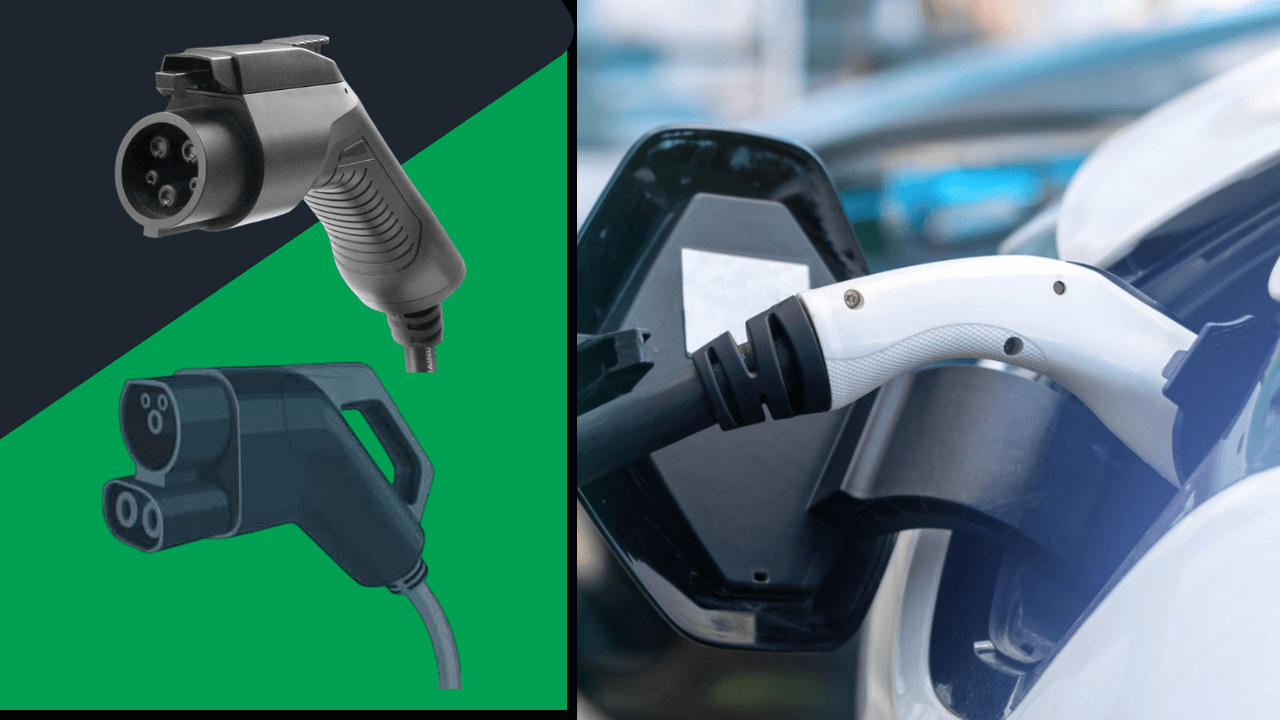
- Plug standards in 2025 India: → CCS2 (Combined Charging System) – used by 90% of new cars (Hyundai, Tata, MG, Mahindra, BYD, BMW, etc.) → GB/T – only Chinese brands like BYD & older MG → CHAdeMO – dying out (only old Leafs)
If your car has CCS2, you’re future-proof.
4. Tesla Superchargers (Now Open to Everyone)
Yes, Tesla finally opened its Superchargers in India (2025 rollout).
- Power: 150–250 kW
- Speed: Model 3 adds ~275 km in 15 minutes
- Cost: ₹24–32 per kWh (still cheaper than petrol)
- Magic Dock adapter supplied for non-Tesla CCS2 cars
- Locations 2025: Mumbai, Delhi NCR, Bangalore, Chennai, Hyderabad + highway stops
5. Portable & Emergency Chargers
The secret weapons nobody talks about.
- 3.3 kW portable (₹15–25k) – plug into any 15A socket at malls, relatives’ houses, offices
- V2L (Vehicle-to-Load) cars – BYD Atto 3, MG ZS EV, Hyundai Ioniq 5 can reverse-charge another EV or run appliances
- Solar canopy chargers – new trend in 2025 – Tata Power & Waaree installing at apartments
Quick Comparison Table: Types of Chargers in 2025
| Charger Type | Power | Cost to Use (per full charge 50 kWh) | Where You’ll Find It | Best For |
| Level 1 (home socket) | 2.3 kW | ₹80–120 | Home | Overnight, emergencies |
| Level 2 (7.4 kW) | 7.4 kW | ₹300–450 | Home, office, malls | Daily charging |
| DC Fast 60 kW | 60 kW | ₹800–1,200 | Highways, cities | Road trips |
| Ultra-Fast 150–350 kW | 150+ kW | ₹1,200–1,800 | Major highways | Long-distance in a hurry |
| Tesla Supercharger | 250 kW | ₹1,200–1,600 | Tesla stations (open) | Fastest public option |
Pro Tips from Someone Who’s Charged Everywhere
- Always carry a Type 2 to 3-pin cable (₹3,000) – lifesaver when malls “forget” to switch on chargers.
- Download PlugShare + Ather Grid + Tata Power EZ Charge apps – best coverage combined.
- Avoid 50 kW chargers during peak summer – they throttle to 30 kW in heat.
- Pre-cool the car on Level 2 before DC fast charging – adds 15–20% speed.
- BYD & MG owners: ask for free GB/T → CCS2 adapter at delivery (many dealers give it now).
FAQ – Types of Chargers Answered
Level 1 (slow home), Level 2 (7–22 kW AC), DC Fast (50–350 kW), and Tesla Superchargers.
350 kW ultra-fast (Hyundai Ioniq 5, Kia EV6 can actually use 250+ kW in real life).
Only if the plug matches. 95% of 2025 cars in India use CCS2 – you’re safe.
Yes! ₹5–8 per kWh at home vs ₹18–30 at public DC fast.
Yes – 32A industrial socket or dedicated wallbox. Most new apartments offer it now.
Long-range version gets 90–100 kW in 2025 update – confirmed.
There you go – every type of charger demystified in one place. Bookmark this page because you’ll be coming back the next time you see a new plug and panic!
Now go forth and charge confidently. Your EV (and your wallet) will thank you
Additional Reading:
Spread Some Love
Author