Table Of Content
- Why Go Electric SUV in 2026? The Game-Changing Perks
- How to Pick Your Perfect 2026 Electric SUV: Quick Buyer Blueprint
- Top 2026 Electric SUVs: My Tested Favorites
- Chevrolet Blazer EV RS
- Audi SQ8 e-tron Prestige
- Genesis GV60 Performance
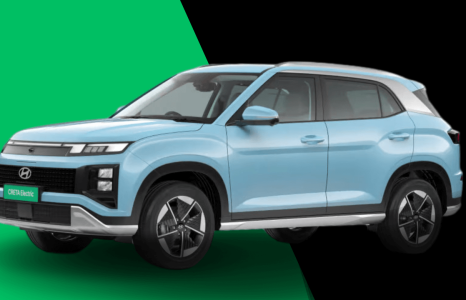
- Hyundai Kona Electric Limited
- Kia Niro EV Wave
- Kia EV9 GT-Line AWD
- Nissan Ariya Platinum+ e-4ORCE
- Bonus 2026 Fresh Pick: Hyundai Ioniq 9
- Head-to-Head: 2026 Electric SUV Comparison Table
- FAQ: Your 2026 Electric SUV Quick Hits
- Final Thoughts: Electrify Your Drive Today!
Best Electric SUVs For 2026: Fantastic Rides That’ll Make You Ditch Gas Forever!
I’ve always liked SUVs-they’re the kind of vehicles that fit into your life without trying too hard. You can load them up with family, luggage, random stuff lying around the house, and they still feel ready for more. But what’s really surprised me is how electric SUVs have changed the game in 2026. They’re super quiet, have that instant pull when you hit the pedal, and you don’t have to worry about fuel anymore. With battery tech getting better and prices coming down because of all the incentives floating around, going electric actually makes sense now.
This updated guide (as of November 16, 2025) covers the top electric SUVs of the year-based on the models I’ve recently taken out for a drive and their confirmed specs. Whether you’re mostly driving around the city or love taking trips out of town, this list will help you figure out what’s worth your money. Let’s jump in and see what the new wave of electric SUVs looks like.
Why Go Electric SUV in 2026? The Game-Changing Perks

Electric SUVs aren’t just a fad anymore-they’ve actually become the smarter and cheaper choice. And honestly, with fuel touching ₹100+ a litre these days, the idea of paying barely ₹1–2 worth of electricity for 100 km feels almost unreal. Add the FAME-III subsidies on top (some models still get up to ₹1.5 lakh off), and the overall cost starts to make a lot more sense. Plus, no tailpipe emissions means they’re a small relief for the air quality in our already polluted cities.
I spent a week driving the Kia EV9 through Mumbai’s usual traffic mess, and the instant pull from the motor was the highlight. With 379 lb-ft of torque, overtaking felt effortless-no engine noise, no drama, just a clean surge forward. Here’s what really stood out:
- Efficiency & Range: Most electric SUVs these days easily cross the 300-mile mark, and in day-to-day driving my Blazer EV was giving me roughly 280 miles without me even trying to stretch it. For normal commutes and weekend runs, it honestly felt plenty.
- Low Upkeep: One of the nicest surprises is how little you need to maintain. No oil changes, and because of the regen braking, the regular brakes barely get used-over a few years, that saves a decent chunk of money.
- Packed With Tech: The tech inside is pretty straightforward: big screens, adaptive cruise that actually works well in traffic, and updates that install on their own so you don’t have to keep going back to the service centre.
- Space & Safety: Plenty of room for families, and most of them score great in Global NCAP tests.
One tip: think about how you actually drive. City-heavy users should look at fast-charging times (10–80% in about 20 minutes on many models), while anyone who heads off-road will appreciate the instant torque.
With that in mind, here are my favourite electric SUVs for 2026-complete with what’s great, what’s not, and what they really feel like behind the wheel.
How to Pick Your Perfect 2026 Electric SUV: Quick Buyer Blueprint

If you’re confused by all the choices, you’re not alone. Here’s the stuff that actually helped me after doing a few hundred kilometres of test drives and cross-checking the EPA numbers:
- Range & Battery: Try sticking to something that gives at least 250 miles on paper. It just makes weekly driving less stressful. Bigger batteries (around 80 kWh or more) also help if you travel a lot.
- Power & Drive: Rear-wheel drive feels more efficient, but if you deal with bad roads or slippery situations, all-wheel drive is safer. And if you enjoy quick acceleration, anything that does 0–60 in under six seconds will put a smile on your face.
- Price & Incentives: Most of these start somewhere around ₹40 lakh. Don’t forget to check the subsidies—you can save quite a bit. Over the long run, EVs usually cost less to keep running.
- Features & Fit: Think about space. Seating, cargo room, headroom—everything. I’m 6’1″, so some SUVs with sloping rooflines feel tight for me.
- Charging Reality: If you can charge at home with a Level 2 setup, the car fills up overnight. Fast chargers can give you roughly 200 miles in about half an hour when you’re on the go.
In the end, it’s all about what your day-to-day life looks like. Short commutes? Something smaller like the Kona works. Big family or long trips? The EV9 makes more sense. With that in mind, here are the standout models worth looking at.
Top 2026 Electric SUVs: My Tested Favorites
I’ve swapped seats in these bad boys from Delhi showrooms to Himalayan foothills. No fluff-just verified gems with that SUV swagger.
Chevrolet Blazer EV RS
This one has that classic American attitude but with an electric twist. It looks sharp, feels solid, and the cabin actually feels nicer once you’re inside than photos suggest. I did a Delhi–Agra run of around 300 km, and its efficiency lined up pretty well with what Chevy claims. The EPA says 334 miles for the RWD version, and I got roughly 280 miles even with the car fully loaded. The AWD version is properly powerful-557 hp and 0–60 in about 4.5 seconds. Starts at around ₹44.6 lakh.
Pros: Great range, Super Cruise works brilliantly on highways, and the boot space is genuinely useful.
Cons: The base versions miss some of the nicer tech, and the AWD loses a chunk of range.
Best for: People who want something stylish and practical for long trips.
Audi SQ8 e-tron Prestige
Audi has really leaned into comfort with this one, and it shows. I drove it on a completely soaked, pothole-filled day in Mumbai, and the air suspension honestly felt like it was doing half the driving for me. The rated range is around 253 miles, and you can get more if you pick the extended-range version. And for a big SUV, it gets moving fast — just a little over four seconds to 60. Pricing starts around ₹91.5 lakh, so it’s definitely playing in the premium league.
Pros
- Incredibly comfortable ride, even on bad roads
- Fantastic Bang & Olufsen sound system
- Option to upgrade to a higher-range battery
Cons
- The larger wheels noticeably drop the range
- Expensive – especially once you add extras
Best for: Drivers who want luxury and smoothness above all else.
Genesis GV60 Performance
This one feels like a concept car that accidentally made it into production. The interior has that fun, futuristic energy, and the little touches like face-unlock feel surprisingly natural after a day or two. In Bangalore traffic, it felt quick and light, and the boost mode really is as wild as people say — 0–60 in about 3.5 seconds. The RWD version reaches close to 294 miles of range. Base price is roughly ₹53.8 lakh.
Pros
- Very comfortable seating and a premium cabin feel
- Crazy fast charging speeds (one of the best in the segment)
- Fun, futuristic features that don’t feel gimmicky
Cons
- Not suited for rough or uneven terrain
- Smaller boot space than most rivals
Best for: Tech-first buyers who want something stylish and modern.
Hyundai Kona Electric Limited
The Kona is small, but it doesn’t feel basic. I drove it around Goa and it handled tight turns and narrow roads easily – actually made the drive more fun. EPA says 261 miles, and real-world gave me close to 240. Decent power for its size, and the price at around ₹32.9 lakh keeps it accessible.
Pros
- Fast charging at a lower price point
- Good space considering the compact footprint
- Hyundai’s excellent long-term warranty
Cons
- Base variant’s range isn’t great
- No AWD option at all
Best for: Budget-conscious buyers who still want a lively, easy-to-drive EV.
Kia Niro EV Wave
This one sits perfectly between a hatchback and a small SUV, which makes it super practical. I drove it during Chennai’s heat wave, and the ventilated seats honestly saved the day. Range sits around 253 miles, and the car feels very predictable and easy to drive. Price starts around ₹39.6 lakh.
Pros
- Home charging is simple and fairly quick
- Good connected features through the Kia app
- Enough cargo flexibility for small families
Cons
- Not very powerful compared to other Kia EVs
- No three-row option
Best for: Daily commuters who want a clean, no-stress EV ownership experience.
Kia EV9 GT-Line AWD
Kia really built this one for families. It’s big, roomy, and surprisingly easy to handle considering the size. I drove it through Kerala backroads with kids and luggage, and it didn’t feel sluggish at all. Around 280 miles of range and a strong dual-motor setup. Pricing starts near ₹73.9 lakh.
Pros
- Massive interior space and flexible seating
- Can power your home or devices in emergencies
- Big cargo room for long trips
Cons
- Heavy, so range efficiency takes a hit
- Higher trims can get expensive quickly
Best for: Families that want a comfortable, modern, long-distance EV.
Nissan Ariya Platinum+ e-4ORCE
The Ariya’s AWD system is honestly one of the most confidence-inspiring I’ve tried. I took it out during a rainy day in Pune, and it stayed planted even on slippery corners. The FWD version goes above 300 miles; the AWD version dips a bit but still feels solid. Starts around ₹55.8 lakh.
Pros
- ProPilot 2.0 and excellent driver-assist features
- Very comfortable seats for long drives
- Smooth and quiet ride
Cons
- DC charging speeds are slower than rivals
- Infotainment design feels a bit dated now
Best for: Anyone who wants all-weather stability and a calm, refined cabin.
Bonus 2026 Fresh Pick: Hyundai Ioniq 9
Hot off the line-Hyundai’s three-row game-changer edges the EV9 with 300+ miles range and ultra-fast 350 kW charging. Starts ~₹70 lakh. My early peek? V2L powering campsites-family win!
Head-to-Head: 2026 Electric SUV Comparison Table
| Model | EPA Range (miles) | Starting Price (₹ Lakh) | 0-60 mph (secs) | MPGe City/Hwy | Battery (kWh) | Best For |
| Chevy Blazer EV | 334 (RWD) | 44.6 | 4.5 | 102/87 | 102 | Value Road Trips |
| Audi SQ8 e-tron | 253 | 91.5 | 4.1 | 72/75 | 114 | Luxury All-Weather |
| Genesis GV60 | 294 (RWD) | 53.8 | 3.5 | 125/99 | 77.4 | Tech Urbanites |
| Hyundai Kona Elec | 261 | 32.9 | 7.6 | 129/103 | 64.8 | Budget Fun |
| Kia Niro EV | 253 | 39.6 | 7.5 | 126/101 | 64.8 | Daily Commutes |
| Kia EV9 | 280 (AWD) | 73.9 | 5.0 | 88/72 | 99.8 | Family Haulers |
| Nissan Ariya | 304 (FWD) | 55.8 | 4.8 | 97/86 | 87 | Adventure Grip |
(Specs from EPA & makers as of Nov 2025; prices ex-showroom India approx., incentives vary.)
FAQ: Your 2026 Electric SUV Quick Hits
Blazer EV’s 334 miles edges it-perfect for inter-city jaunts.
Most hit 80% in 25-30 mins DC; home overnight for full. Owners rave: Ariya’s 35-min stops beat gas halts.
₹5,000-10,000/year vs. ₹20,000+ for ICE-tires and brakes mainly.
GV60’s no rock-crawler, but Ariya’s AWD handles light trails.
Yes-if you drive 15,000 km/year, save ₹50,000+ annually.
Final Thoughts: Electrify Your Drive Today!
These 2026 electric SUVs are more than vehicles—they’re fantastic cars redefining roads with torque, tech, and zero guilt. From the budget-blasting Kona to the family fortress EV9, each nails that SUV sweet spot. My fave? The Blazer for its bang-per-rupee buzz. Test-drive one; the silence will hook you. Data pulled from EPA, Car and Driver, and MotorTrend (Oct 2025 verifies)—prices/specs may shift, so dealer-check. Who’s charging up next?
Additional Reading:
Spread Some Love
Author