Table Of Content
- Understanding Home EV Charging Levels
- Level 1 Charging
- Level 2 Charging
- Level 3 Charging
- Home EV Charger Installation Costs
- Costs Associated With Level 1 Charging
- Costs Associated With Level 2 Charging
- Electricity Rates and Charging Costs
- Taking Advantage of Time-of-Use Rates
- Charging an EV With Solar Power
- Tax Credits and Financial Incentives
- Is Home EV Charging Worth It?
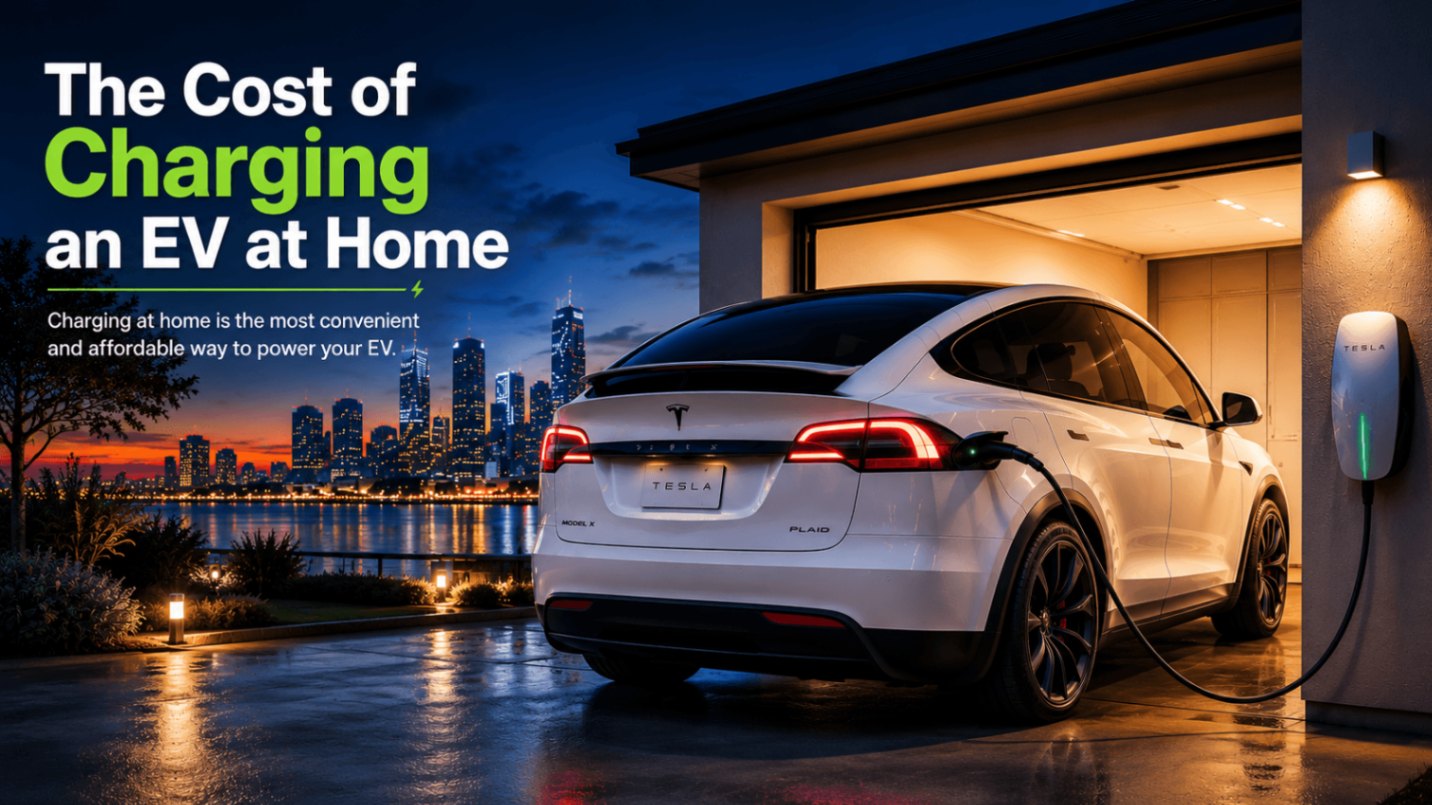
The Cost of Charging an EV at Home
If you’re considering buying an electric vehicle (EV), one of the first questions that likely comes to mind is how much it will cost to charge at home. While electric vehicles generally cost less to fuel than gasoline-powered cars, the total cost of home charging depends on several factors, including charger type, installation requirements, local electricity rates, and available incentives.
Understanding these costs can help you make a more informed decision and estimate your long-term savings as an EV owner.
Understanding Home EV Charging Levels
Before calculating charging expenses, it is important to understand the different charging options available for residential use.
Level 1 Charging
Level 1 charging uses a standard 120-volt household outlet. Most electric vehicles include a charging cable that allows owners to plug directly into a regular wall socket without purchasing additional equipment.
The biggest advantage of Level 1 charging is convenience. Since no specialized charger is required, it is often the easiest and least expensive way to begin charging an EV at home.
However, charging speeds are relatively slow. Most Level 1 systems add only about 3 to 5 miles of driving range per hour of charging. This option works best for drivers with shorter daily commutes or those who can leave their vehicles plugged in overnight for extended periods.
Level 2 Charging
Level 2 charging uses a 240-volt electrical connection, similar to the outlets used for large household appliances such as electric dryers.
This charging method is significantly faster than Level 1. Depending on the charger and vehicle, drivers can typically add between 25 and 40 miles of range per hour.
Because of its faster charging speed and convenience, Level 2 charging has become the preferred choice for many EV owners who drive regularly and want their vehicle fully charged overnight.
Level 3 Charging
Level 3 charging, commonly known as DC fast charging, is typically found at public charging stations rather than private residences.
These systems can recharge an EV battery much faster than Level 1 or Level 2 chargers. However, the equipment is extremely expensive and often requires commercial-grade electrical infrastructure.
For this reason, Level 3 charging is generally impractical for individual homeowners and is primarily used by public charging networks, businesses, and commercial facilities.
Home EV Charger Installation Costs
Installing an EV charging setup at home may involve more than simply plugging in a charger. Before installation, it is important to evaluate whether your home’s electrical system can safely support the additional power demand.
Costs Associated With Level 1 Charging
Although Level 1 charging does not require specialized charging equipment, homeowners should still ensure that their electrical system can handle continuous charging loads safely.
Older homes may require outlet upgrades, circuit inspections, or wiring improvements to support regular EV charging. Consulting a licensed electrician is recommended before relying on a standard outlet for daily charging.
In some cases, minor electrical upgrades may be necessary to improve safety and performance.
Costs Associated With Level 2 Charging
Level 2 charging requires dedicated equipment and professional installation.
The charging unit itself typically costs between $500 and $1,000 or more, depending on the manufacturer, charging speed, smart features, and connectivity options.
Installation expenses can vary significantly based on your home’s existing electrical setup. Hiring a licensed electrician to install a 240-volt circuit and charger generally costs between $400 and $1,200.
If your electrical panel requires upgrades or additional wiring work, total installation costs can increase further.
While the upfront investment may seem substantial, many EV owners find that the convenience and faster charging times justify the expense over the long term.
Electricity Rates and Charging Costs
After installation, the ongoing cost of charging an electric vehicle depends largely on local electricity rates and battery size.
Electricity pricing varies by location, utility provider, and rate plan. Across the United States, residential electricity prices average approximately $0.17 per kilowatt-hour (kWh), although rates can range from around $0.11 to more than $0.40 per kWh in certain regions.
The amount of electricity required to fully charge an EV depends on the vehicle’s battery capacity. Most modern electric vehicles have battery packs ranging from approximately 45 kWh to 100 kWh.
At an average electricity rate of $0.17 per kWh:
- A 45 kWh battery would cost about $7.65 for a full charge.
- A 60 kWh battery would cost about $10.20 for a full charge.
- A 75 kWh battery would cost about $12.75 for a full charge.
- A 100 kWh battery would cost about $17.00 for a full charge.
These estimates represent full charging costs from an empty battery. In everyday use, most drivers recharge only a portion of their battery capacity, resulting in lower charging expenses.
Compared to public charging stations, home charging typically offers the lowest cost per mile driven.
Taking Advantage of Time-of-Use Rates
Many utility companies offer time-of-use (TOU) pricing plans that adjust electricity rates based on demand throughout the day.
Under these plans, electricity is often cheaper during overnight hours when demand is lower. Since most EV owners charge their vehicles while sleeping, TOU programs can significantly reduce monthly charging expenses.
Many modern electric vehicles and smart chargers allow users to schedule charging sessions automatically, ensuring the vehicle charges only during lower-cost periods.
Drivers interested in maximizing savings should contact their local utility provider to learn about available EV-specific rate plans or time-based pricing programs.
Charging an EV With Solar Power
For homeowners with solar panels, charging an EV can become even more cost-effective.
Solar energy systems generate electricity directly from sunlight, reducing dependence on utility-supplied power. By using solar-generated electricity to charge an electric vehicle, drivers can substantially lower their long-term energy costs.
Although installing a solar energy system requires a significant upfront investment, the combination of solar power and EV ownership can increase overall savings over time.
Once the solar installation has been paid off, the effective cost of charging an EV can become extremely low and, in some cases, close to zero during daylight production periods.
For homeowners planning to keep an EV for many years, solar energy can be an attractive strategy for reducing transportation expenses while supporting cleaner energy usage.
Tax Credits and Financial Incentives
Several financial incentives may help offset the cost of installing a home EV charging station.
State governments, local utilities, and regional energy programs frequently offer rebates for charger purchases and installation expenses. These incentives vary by location and may significantly reduce upfront costs.
In addition, qualifying homeowners may be eligible for a federal tax credit that covers up to 30% of eligible EV charger installation expenses, with a maximum credit amount of $1,000.
Because incentive programs change periodically, homeowners should review current federal, state, and local programs before purchasing charging equipment.
Is Home EV Charging Worth It?
For most drivers, charging an electric vehicle at home is more affordable than purchasing gasoline for a comparable vehicle. While installation costs can add to the initial investment, the long-term savings from lower fueling expenses often offset these costs over time.
Level 1 charging offers a simple entry point with minimal equipment requirements, while Level 2 charging provides faster and more convenient daily charging. Electricity rates, utility programs, solar energy systems, and available incentives can further reduce ownership costs.
As EV technology continues to improve and charging infrastructure expands, home charging remains one of the most convenient and cost-effective ways to keep an electric vehicle powered and ready for the road.
Spread Some Love
Author